Watching Film Is a Skill, Not Just a Pastime
Most people press play on an old fight reel the same way they watch anything else: waiting for the knockout, counting punches, maybe laughing at the shorts. I understand the instinct. But after years of sitting in front of dusty reels and scratchy transfers, I’ve come to believe that watching fight footage properly is a discipline you build over time, the same way you’d train an eye for brushstrokes in a painting or phrasing in an old recording. The knockout is the least interesting part of the film if you know how to look at everything that happens before it.
This isn’t about becoming a snob. It’s about respect. These films are often the only surviving record of a fighter’s career, and treating them carelessly means losing details that future generations won’t get back. So here’s how I approach a piece of archival footage, whether it’s a full fifteen-round bout or a ninety-second newsreel clip.
Start With the Feet, Not the Fists
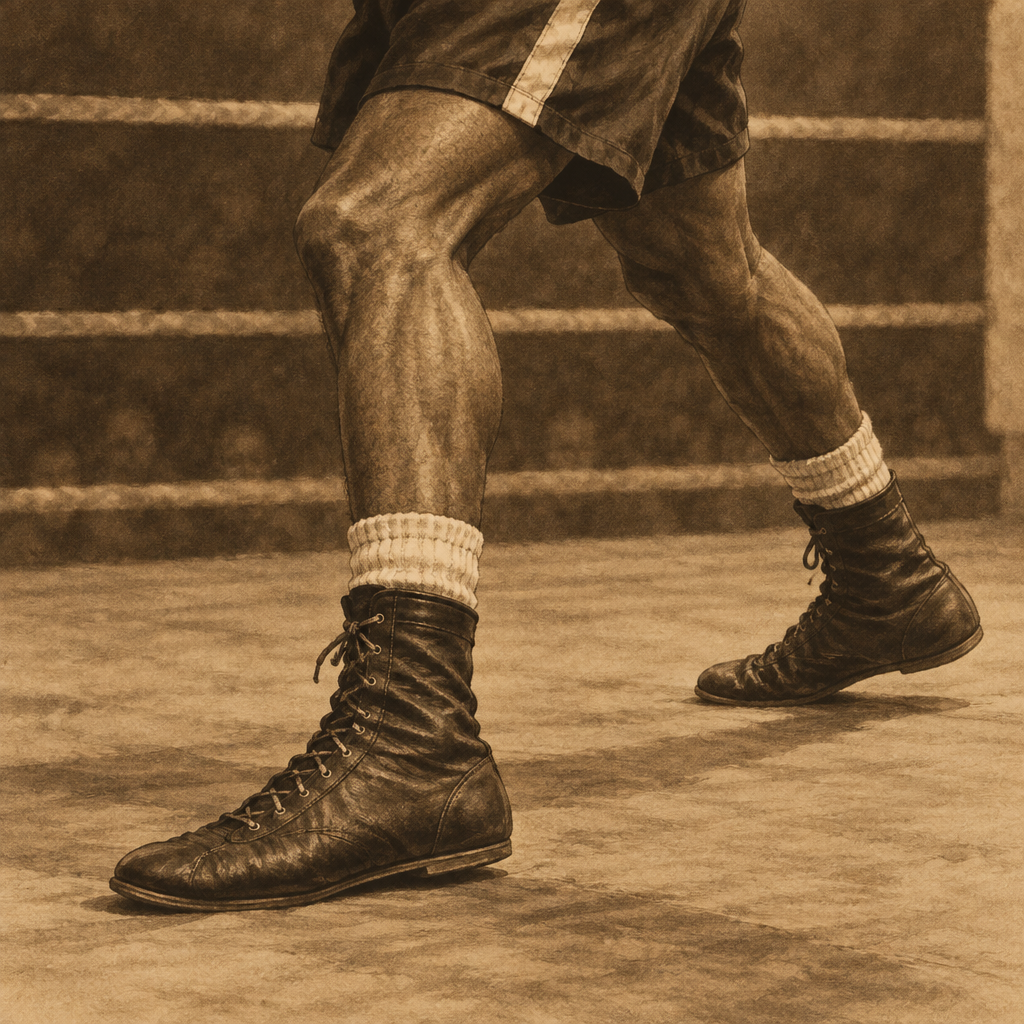
Everyone’s eyes go straight to the hands. That’s natural, but it’s also where you miss the most. Footwork is where a fighter’s whole education shows itself. Watch where the weight sits, how the lead foot angles before a jab, whether the fighter resets square or stays bladed after combinations. Old-school trainers built entire careers around subtle footwork patterns that modern commentary rarely mentions, because by the time a fight gets slowed down and broken apart for analysis, everyone’s already fixated on the punch that landed.
Try this on your next viewing: cover the top half of the screen with your hand for thirty seconds and just watch the legs. You’ll notice rhythm you never caught before, and it changes how the rest of the fight reads once you uncover the screen again.
Read the Corner Between Rounds
If the footage includes the between-rounds action, don’t look away during the minute rest. Corners from different eras handled fighters very differently, and you can learn a great deal about a trainer’s philosophy from how much they talk, how much they touch the fighter’s face and shoulders, and how calm or frantic the exchange looks. A trainer who says almost nothing isn’t necessarily disengaged; sometimes that silence tells you the fighter already knows the plan and doesn’t need reminding. A corner that’s shouting and gesturing wildly might be managing panic, not strategy.
These small human moments rarely survive in written accounts of a fight. The footage is often the only place they exist at all, which is exactly why preserving full, uncut reels matters more than clipping together just the highlights.
Watch the Crowd, Not Just the Ring
It sounds like a strange suggestion, but the audience reaction tells you things the fighters’ faces won’t. A murmur after a jab lands clean tells you the crowd recognized skill the casual viewer might miss. A sudden hush after a seemingly ordinary exchange often means something happened that the camera angle didn’t fully capture, maybe a hidden low blow, maybe a fighter’s legs buckling for half a second before recovering. Audiences in these older films were often closer to the action and more fight-literate than we give them credit for. Their reactions are a kind of commentary track, if you’re willing to listen for it.
Pay Attention to What the Camera Chose to Show You
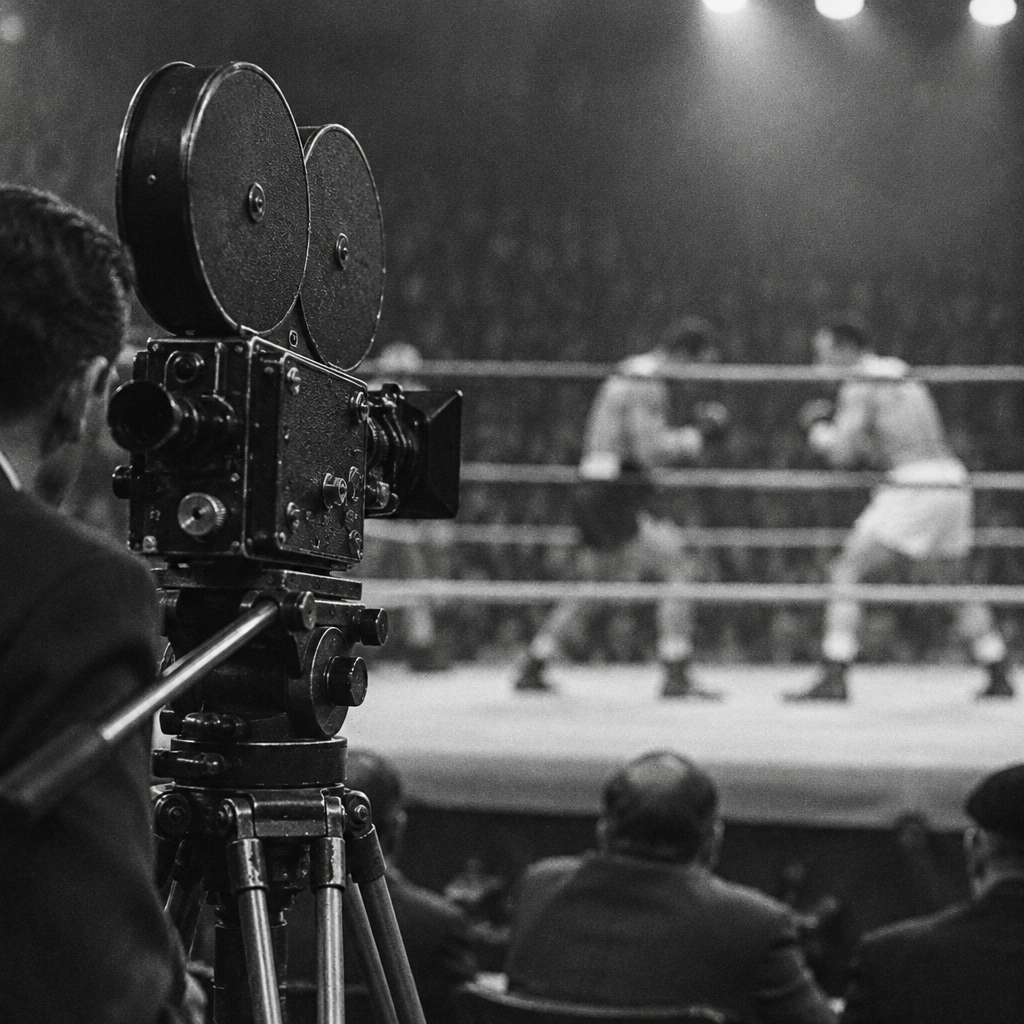
Early fight footage wasn’t shot the way modern broadcasts are. A single camera, sometimes two, with an operator making real-time decisions about where to point the lens. That means every piece of surviving footage is already an edited document, shaped by someone’s judgment about what mattered in the moment. Understanding this changes how you interpret gaps in the record. If a camera cuts away during a clinch or loses a fighter in the corner for a few seconds, that’s not necessarily evidence of anything sinister, but it is a reminder that what we’re watching is a curated fragment, not an objective transcript of the entire fight.
This is part of why cross-referencing matters so much in this line of work. A single angle tells you one version of events. A newspaper account, a radio call, or a second surviving print can round out the picture considerably.
Slow Down, Then Slow Down Again
Modern viewing habits push us toward speed. We want the summary, the highlight, the three best moments condensed into a minute. Old fight footage resists that completely. The pacing of these fights, the feeling-out rounds, the long stretches of positioning and jabbing, can feel slow to a modern eye trained on fast cuts and instant payoffs. But that slowness is the point. It’s where the chess match happens, and if you skip through it, you’re skipping the actual fight in favor of its conclusion.
I’d encourage anyone serious about this hobby to watch a full round at quarter speed at least once. You’ll see setups you missed at full speed, feints that look like nothing until you watch the response they provoke two exchanges later, defensive adjustments that only make sense in hindsight.
Why This Matters Beyond Nostalgia
None of this is about romanticizing the past for its own sake. It’s about accuracy. Every fighter whose footage survives deserves to be understood correctly, not flattened into a highlight reel or reduced to a single famous moment. Watching carefully, patiently, and with real attention is one of the few ways we have left to give these fighters their due. The film doesn’t talk back, but if you watch it closely enough, it tells you almost everything you need to know.