Most People Watch Old Fights Backward
I say that with no judgment, because I did it myself for years before I knew better. You pull up grainy footage of a fight from decades ago, you watch the knockout or the decision, and you let the result color everything that came before it. The winner looks sharper in your memory. The loser looks slower, softer, already beaten. That’s not how the fight actually unfolded. That’s hindsight doing the work your eyes should be doing.
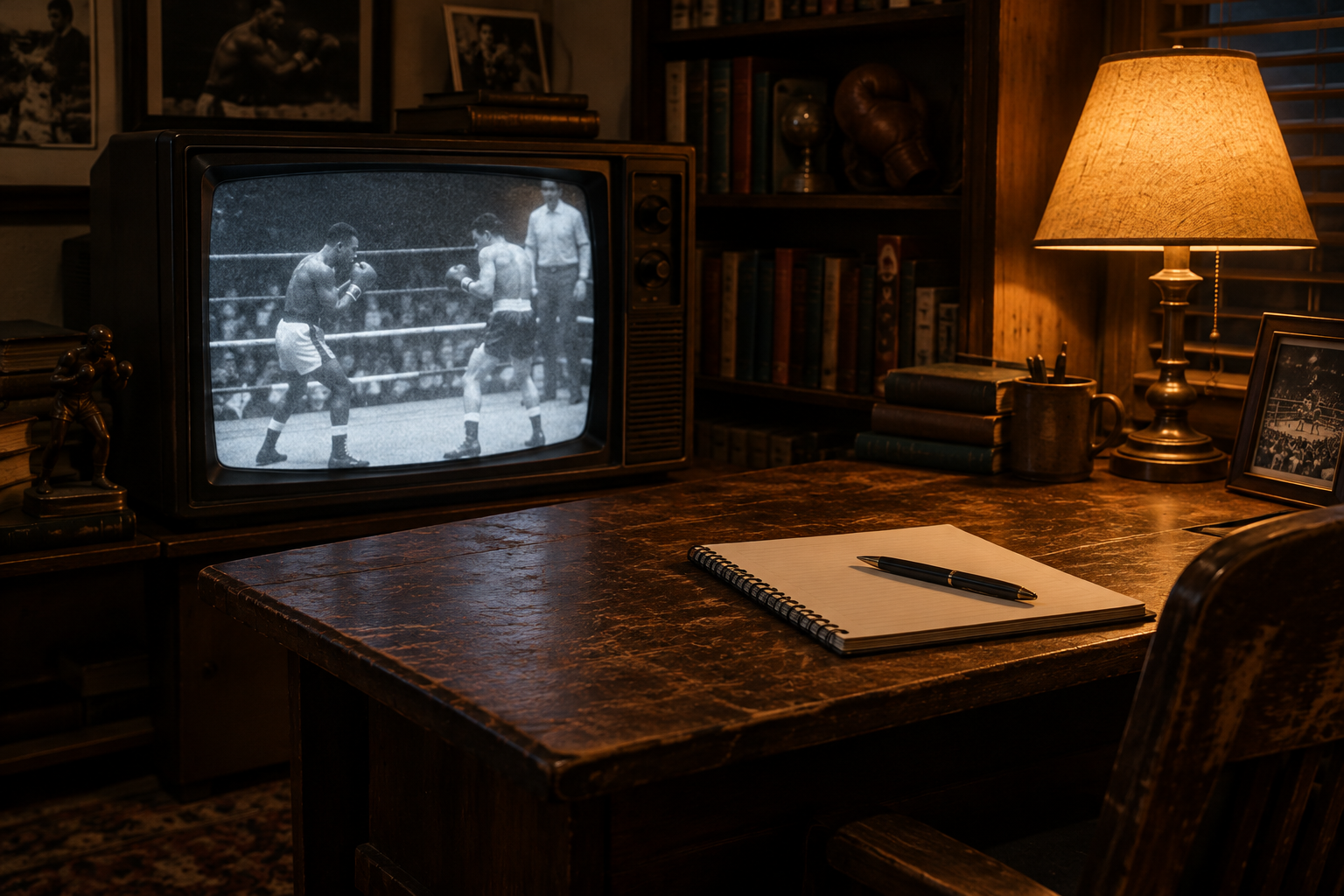
Watching a classic fight like a historian means resisting that pull. It means treating the footage as evidence, not entertainment, even when it’s thrilling as hell to watch. The goal isn’t to confirm what you already believe about a fighter’s legacy. It’s to find out what actually happened, round by round, decision by decision, and let that inform the legacy instead of the other way around.
Start Before the Opening Bell
A lot of context lives outside the twelve or fifteen rounds you’re about to watch. Before you press play, it helps to know a few basics: the stakes of the bout, the styles involved, and the condition both fighters were in walking into that ring. Was this a voluntary defense or a mandatory nobody wanted? Was one man coming off a long layoff? Was there bad blood, a rematch clause, a promotional dispute hanging over the whole thing?
None of this tells you who should win. But it tells you what each fighter was fighting for, and that shapes the tactics you’re about to see. A champion protecting an unbeaten record fights differently than a challenger with nothing to lose. Knowing the stakes turns a string of punches into a strategy.
Watch the Feet Before You Watch the Fists
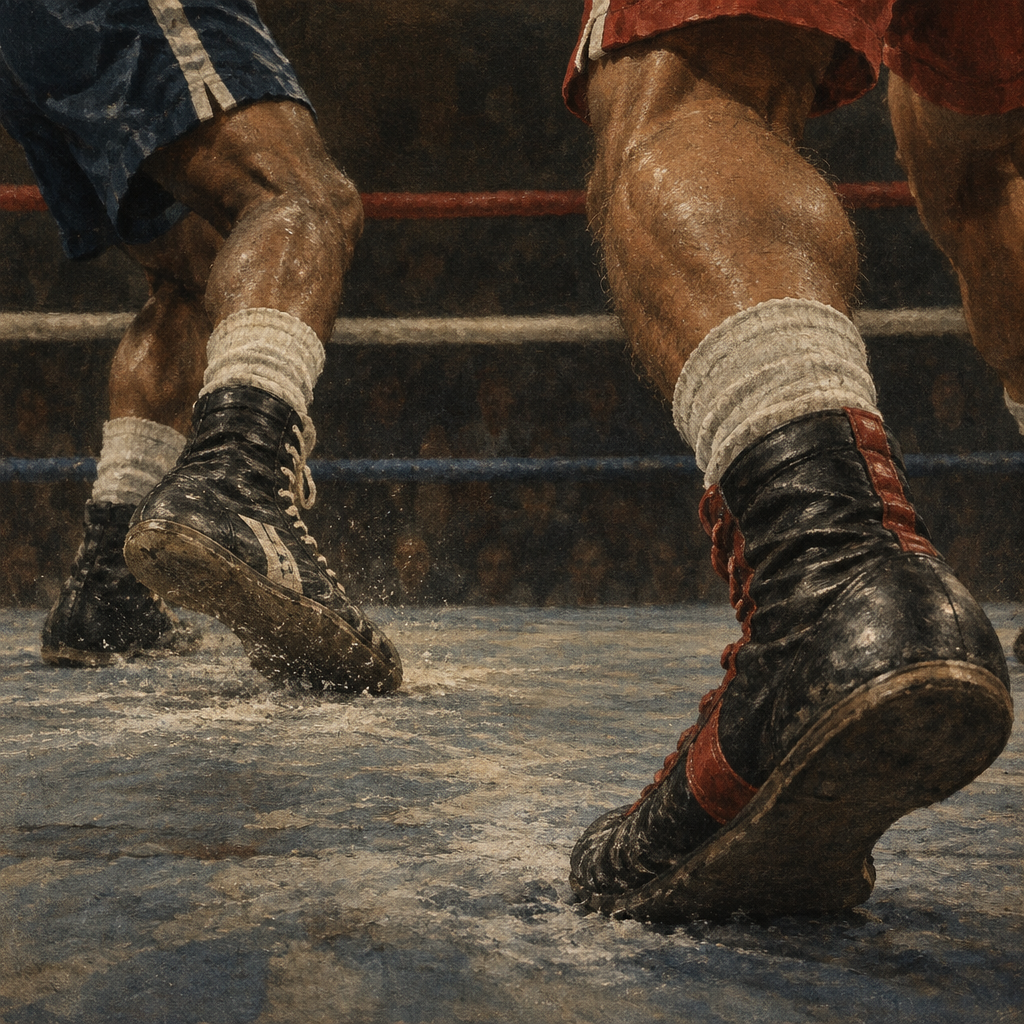
This is the single biggest shift in how I watch fights now compared to when I started. The hands tell you what just happened. The feet tell you what’s about to happen. Footwork is where you see a fighter’s plan taking shape — the cutting off of the ring, the subtle half-step back before a counter, the way a fighter resets his base after landing instead of admiring the shot.
When you’re new to analyzing footage, it’s tempting to track the punch count and little else. But two fighters can throw the same number of punches in a round and be having completely different fights, depending on who’s controlling the distance and who’s chasing it. Watch a round with your eyes locked on the feet alone. You’ll be surprised how much of the story reveals itself before a single punch lands.
A Few Things Worth Tracking Round by Round
- Ring position: who’s being forced to retreat, and who’s dictating where the fight happens
- Effective aggression: not just who’s throwing more, but who’s landing the shots that actually change the fight’s momentum
- Defensive adjustments: does a fighter change his guard or angle after eating a clean shot, or does he keep walking into the same punch
- Championship rounds: how both fighters look in the late rounds compared to the early ones, since fatigue reveals character as much as it reveals conditioning
Score It Yourself Before You Read the Official Cards
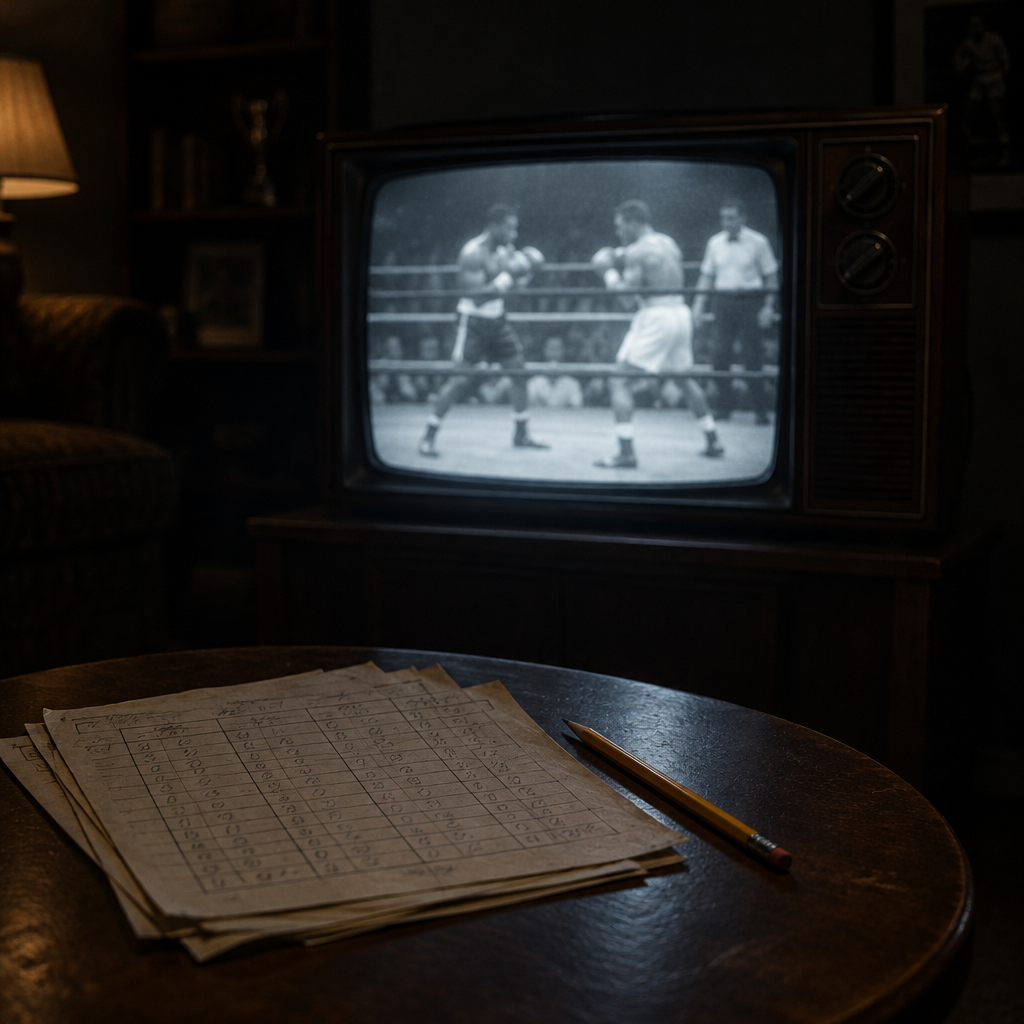
One of the most useful habits you can build is scoring the fight on your own, round by round, before looking up how the judges saw it. Keep a simple tally. Ten points to the winner of the round, nine to the other, with the occasional even round if you genuinely can’t separate them. Do this honestly, without peeking ahead to the result.
Then compare your card to the official decision. The gaps between the two are where the real education happens. Maybe the judges favored clean punching over volume. Maybe they rewarded ring generalship in a round you thought was close. Maybe, frankly, they got it wrong, and that disagreement becomes its own small piece of boxing history worth understanding. Controversial decisions didn’t happen in a vacuum — they happened because reasonable people, watching the same action, can see a fight differently. Scoring fights yourself is how you learn to see the differences instead of just accepting someone else’s verdict.
Rewatch With the Sound Off
Commentary is valuable context, but it also tells you what to think, often in real time, often before the round is even finished. Try watching a round or two with the sound off entirely. You’ll notice things that get glossed over in the excitement of a broadcast call — a fighter’s shoulders dropping slightly before he changes levels, a jab that’s landing softly but consistently enough to be setting up something bigger two rounds later, a cut that’s being worked on more subtly than the commentary suggests.
Silent viewing forces you to form your own read on the fight before anyone else’s voice fills in the blanks. It’s one of the oldest tricks for training a sharper eye, and it still works precisely because it’s uncomfortable at first.
Respect the Era You’re Watching
Finally, remember that you’re watching a fight that happened under the rules, equipment, and expectations of its own time. Glove sizes changed. Round counts changed. Refereeing standards around clinching and low blows shifted across decades. Judging footwork and distance makes sense across eras because those are timeless skills, but judging a fighter’s conditioning or output against a modern standard will give you a distorted picture.
The historian’s job isn’t to rank everyone against today’s benchmarks. It’s to understand each fighter inside the world they actually competed in, and to appreciate what made them exceptional within it. That’s the difference between watching old footage and actually preserving its meaning.